
SIP in Mutual Funds sets the stage for this enthralling narrative, offering readers a glimpse into a story that is rich in detail with casual formal language style and brimming with originality from the outset.
SIP, or Systematic Investment Plan, is a powerful tool in the world of mutual fund investments, providing investors with a disciplined approach towards wealth creation. By breaking down investments into smaller, regular contributions, SIP offers a host of benefits and shields investors from market volatility. Let’s delve deeper into the world of SIP in Mutual Funds and uncover its hidden gems.
Introduction to SIP in Mutual Funds
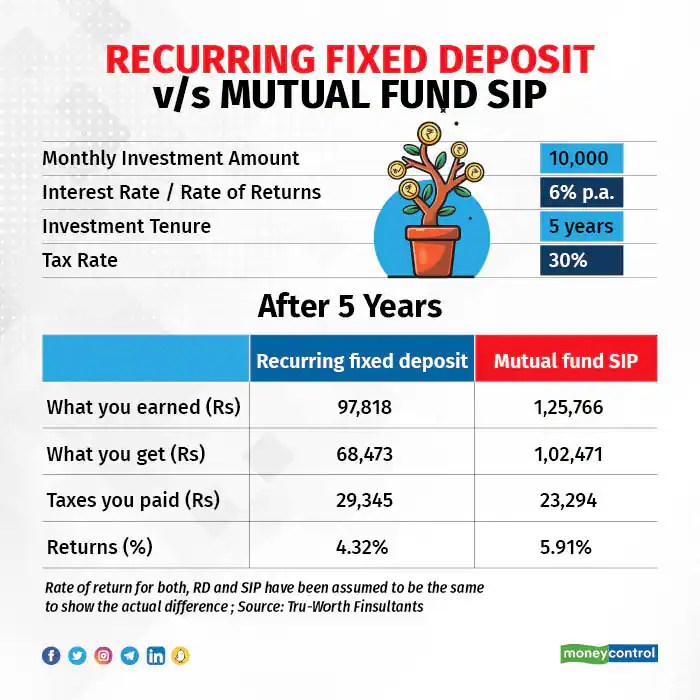
SIP, which stands for Systematic Investment Plan, is a method of investing in mutual funds that allows investors to contribute a fixed amount regularly. This strategy enables investors to accumulate wealth over time by investing small amounts at regular intervals.
Benefits of Using SIP as an Investment Strategy
Utilizing SIP as an investment strategy in mutual funds offers several advantages:
- Discipline: SIP instills a disciplined approach to investing by automatically deducting a fixed amount from the investor’s account regularly.
- Cost Averaging: SIP helps in rupee cost averaging, where the investor buys more units when prices are low and fewer units when prices are high, reducing the average cost per unit.
- Compounding: By reinvesting the returns, SIP takes advantage of compounding, allowing the investment to grow exponentially over time.
- Flexible: SIP offers flexibility in terms of investment amounts, frequencies, and fund choices, catering to the investor’s financial goals and risk profile.
How SIP Works in the Context of Mutual Funds
SIP works by allowing investors to invest a fixed amount regularly in a selected mutual fund scheme. The investment amount is deducted automatically from the investor’s bank account and used to purchase units of the chosen fund. Over time, these regular investments accumulate, leading to the growth of the investment portfolio. SIP is a convenient and effective way for investors to build wealth steadily over the long term.
Advantages of SIP in Mutual Funds
Systematic Investment Plan (SIP) in mutual funds offers several advantages over lump sum investments, making it a popular choice among investors.
Rupee Cost Averaging
SIP helps in rupee cost averaging for investors by spreading out the investment amount over regular intervals. This strategy allows investors to buy more units when prices are low and fewer units when prices are high, ultimately reducing the average cost per unit over time.
Reduced Impact of Market Volatility
SIP can reduce the impact of market volatility on investments by averaging out the purchase cost of units. When markets are volatile, investors may end up buying more units at lower prices, thereby balancing out the overall investment and reducing the risk associated with timing the market.
SIP vs. Lump Sum Investment in Mutual Funds
When comparing SIP (Systematic Investment Plan) with lump sum investments in mutual funds, there are key differences to consider. SIP involves investing a fixed amount regularly over a period, while lump sum investment involves investing a large amount at once.
Benefits of SIP over Lump Sum Investment
- SIP reduces the impact of market volatility as investments are spread out over time.
- It promotes disciplined investing by allowing investors to invest small amounts regularly.
- Helps in rupee cost averaging, where investors buy more units when prices are low and fewer units when prices are high.
Scenarios Favoring SIP
- For investors with irregular income, SIP provides a systematic approach to investing without the need for a lump sum.
- During market uncertainties, SIP can help reduce risk by averaging out the buying price of units over time.
- Young investors can benefit from the power of compounding through SIP, as their investments have more time to grow.
Understanding Mutual Funds
Mutual funds are investment vehicles that pool money from multiple investors to invest in a diversified portfolio of securities such as stocks, bonds, or other assets. These funds are managed by professional fund managers who make investment decisions on behalf of the investors.
Types of Mutual Funds
- Equity Funds: These funds primarily invest in stocks and are suitable for investors seeking long-term capital appreciation.
- Debt Funds: These funds invest in fixed-income securities such as bonds and are suitable for investors looking for regular income and capital preservation.
- Hybrid Funds: These funds invest in a mix of equities and debt instruments to provide a balance of growth and income.
- Index Funds: These funds aim to replicate the performance of a specific market index and have lower management fees compared to actively managed funds.
Benefits of Investing in Mutual Funds
- Mutual funds offer diversification by investing in a variety of securities, reducing the risk of individual stock picking.
- Professional management ensures that fund managers make informed investment decisions based on research and market analysis.
- Liquidity allows investors to buy and sell mutual fund units at the prevailing Net Asset Value (NAV) on any business day.
- Investors can start with a small amount through Systematic Investment Plans (SIPs) and benefit from rupee cost averaging over time.
In conclusion, SIP in Mutual Funds emerges as a beacon of financial prudence, offering a steady path towards wealth accumulation and financial goals. With its systematic approach and ability to mitigate risks, SIP stands tall as a reliable investment strategy for both seasoned and novice investors alike. Embark on your investment journey with SIP in Mutual Funds and witness the magic of consistent, disciplined wealth creation unfold before your eyes.
Q&A
Is SIP in Mutual Funds suitable for risk-averse investors?
Yes, SIP is an ideal option for risk-averse investors as it allows them to invest small amounts regularly, reducing the impact of market fluctuations.
Can SIP in Mutual Funds be started with a minimal investment?
Yes, SIPs typically have a low investment threshold, making it accessible even for investors with limited funds.
How does SIP help in rupee cost averaging?
SIP involves investing a fixed amount regularly, which helps investors buy more units when prices are low and fewer units when prices are high, thereby averaging out the cost over time.


