Beginning with Mutual Funds Risk and Return, the narrative unfolds in a compelling and distinctive manner, drawing readers into a story that promises to be both engaging and uniquely memorable.
When it comes to investing, understanding the risks and returns associated with mutual funds is crucial for making informed decisions and maximizing potential gains.
MUTUAL FUNDS
Mutual funds are investment vehicles that pool money from multiple investors to invest in a diversified portfolio of stocks, bonds, or other securities. They are managed by professional fund managers who make investment decisions on behalf of the investors.
Investors can choose from various types of mutual funds based on their investment goals and risk tolerance. Some common types include:
Types of Mutual Funds
- Equity Funds: Invest in stocks and are suitable for investors seeking long-term growth.
- Bond Funds: Invest in fixed-income securities like government or corporate bonds, providing regular income.
- Index Funds: Track a specific market index like the S&P 500 and offer low-cost diversification.
- Money Market Funds: Invest in short-term, low-risk securities like Treasury bills, offering stability and liquidity.
Investing in mutual funds offers several benefits compared to individual stock picking, including diversification, professional management, convenience, and affordability. By pooling resources with other investors, individuals can access a diversified portfolio without the need for extensive research or monitoring.
Investing in Mutual Funds
To invest in mutual funds, individuals can open an account with a brokerage firm or directly with the fund company. They can choose funds based on their investment objectives, risk tolerance, and time horizon. Investors can start investing with as little as $100 or even less, making mutual funds accessible to a wide range of investors.
MUTUAL FUNDS RISK AND RETURN
Risk in the context of mutual funds refers to the uncertainty or volatility associated with the potential return on investment. It is important for investors to assess the level of risk they are comfortable with before choosing a mutual fund.Return, on the other hand, represents the gain or loss an investor makes on their mutual fund investment over a specific period.
It is a key indicator of the performance of the mutual fund and is influenced by various factors such as market conditions, fund management, and investment strategy.
Types of Mutual Funds and Associated Risks
- Equity Funds: These funds primarily invest in stocks and are considered to have higher risk compared to other types of mutual funds. The potential for high returns also comes with a higher level of volatility due to market fluctuations.
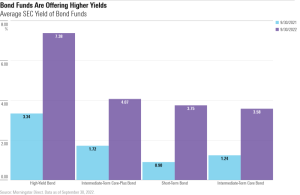
- Bond Funds: Bond funds invest in fixed-income securities such as government or corporate bonds. They are generally considered less risky than equity funds but offer lower potential returns.
- Balanced Funds: These funds invest in a mix of both stocks and bonds, aiming to provide a balance between risk and return. They are suitable for investors seeking moderate growth with some level of risk.
Factors Influencing Risk and Return Profile
- Market Conditions: Economic factors, geopolitical events, and market trends can impact the risk and return profile of a mutual fund.
- Fund Management: The expertise and strategy of the fund manager play a crucial role in determining the performance and risk management of the fund.
- Investment Objectives: The stated goals of the fund, whether it aims for capital appreciation, income generation, or a combination of both, influence the risk and return characteristics.
- Diversification: A well-diversified portfolio can help mitigate risk by spreading investments across different asset classes and sectors.
RISK MANAGEMENT IN MUTUAL FUNDS
Risk management is a crucial aspect of managing mutual funds effectively. Fund managers employ various strategies to mitigate risks and protect investors’ capital while aiming to achieve optimal returns. Diversification, asset allocation, and regulatory compliance are key components of risk management in mutual funds.
Diversification in Mutual Funds
Diversification is a fundamental risk management technique used by fund managers to reduce the impact of market volatility on a mutual fund portfolio. By spreading investments across different asset classes, sectors, and geographical regions, diversification helps in minimizing the concentration risk associated with individual securities. For example, a mutual fund that invests in a mix of stocks, bonds, and real estate securities can benefit from diversification by reducing the overall risk exposure.
Asset Allocation Strategies
Fund managers utilize asset allocation strategies to manage risks based on the investment objectives and risk tolerance of the fund. These strategies involve determining the optimal mix of asset classes such as equities, fixed income securities, and cash equivalents to achieve the desired risk-return profile. For instance, a conservative mutual fund may have a higher allocation to bonds and cash equivalents for stability, while an aggressive fund may focus more on equities for growth potential.
Regulatory Oversight in Risk Management
Regulatory bodies play a crucial role in overseeing risk management practices in mutual funds to ensure investor protection and market integrity. They set guidelines and standards for risk management processes, disclosure requirements, and compliance with regulatory frameworks. Fund managers are required to adhere to these regulations to maintain transparency and accountability in their risk management practices.
EVALUATING MUTUAL FUNDS
When evaluating mutual funds, investors should consider key metrics that can provide insights into the fund’s performance, risk, and overall suitability for their investment goals. These metrics help investors make informed decisions and compare different mutual funds effectively.
Key Metrics for Evaluation
- Expense Ratio: The expense ratio represents the annual fees and expenses charged by the mutual fund. A lower expense ratio is generally preferable as it means a higher portion of returns goes back to the investors.
- Performance History: Reviewing the fund’s historical performance over different time frames can give an indication of how it has performed in various market conditions.
- Risk-Adjusted Returns: Evaluating risk-adjusted returns helps investors understand how much return the fund generates relative to the risks taken. Metrics like the Sharpe ratio can provide insights into this aspect.
Methods of Performance Evaluation
- Sharpe Ratio: The Sharpe ratio measures the risk-adjusted return of an investment and helps investors compare funds based on their risk levels.
- Alpha: Alpha measures the excess return of a fund compared to its benchmark index, indicating the fund manager’s skill in generating returns.
- Beta: Beta measures the fund’s volatility compared to the overall market, helping investors assess the fund’s sensitivity to market movements.
Thorough Research Importance
Thorough research is crucial before investing in a mutual fund as it helps investors understand the fund’s objectives, strategy, historical performance, fees, and risks involved. Conducting research can mitigate the chances of making uninformed investment decisions.
Analyzing and Comparing Funds
- Review Fund Objectives: Understand the fund’s objectives and investment strategy to ensure they align with your investment goals.
- Compare Performance: Analyze the fund’s historical performance and compare it with relevant benchmarks to gauge its consistency and returns.
- Consider Fees: Evaluate the fund’s expense ratio and other fees to assess how they impact your returns over time.
- Diversification: Consider how the fund fits into your overall investment portfolio and whether it provides diversification benefits.
In conclusion, navigating the world of mutual funds requires a careful balance of risk assessment and return expectations, ultimately shaping your investment strategy for the future.
Common Queries
What factors determine the risk in mutual funds?
The risk in mutual funds is influenced by factors such as market volatility, fund type, and economic conditions.
How can investors mitigate risks in mutual funds?
Investors can reduce risks by diversifying their portfolio, conducting thorough research, and monitoring market trends regularly.
What is a good return on investment for mutual funds?
A good return varies based on individual goals and risk tolerance, but typically, a return exceeding the market average is considered favorable.