Delving into the realm of High Yield Mutual Funds unveils a world of lucrative opportunities and potential pitfalls, where strategic decisions can lead to substantial gains or unexpected losses. As we navigate through the intricacies of these investment vehicles, a deeper understanding emerges, shedding light on the nuances that define success in this dynamic financial landscape.
Exploring the various facets of High Yield Mutual Funds opens doors to a realm where risk and reward dance in a delicate balance, offering investors a chance to optimize their portfolios and achieve impressive returns.
Introduction to High Yield Mutual Funds
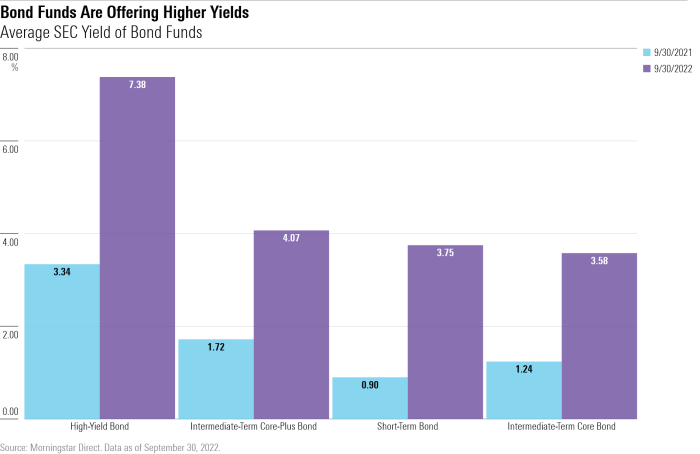
High yield mutual funds are investment vehicles that focus on generating higher returns by investing in lower-rated fixed-income securities, such as corporate bonds or high-yield bonds. The primary purpose of high yield mutual funds is to provide investors with the opportunity to earn a higher yield compared to other types of mutual funds, such as government bond funds or stock funds.
Differences from Other Mutual Funds
High yield mutual funds differ from other types of mutual funds in that they typically invest in bonds with lower credit ratings, which are considered riskier investments. While high yield mutual funds offer the potential for higher returns, they also come with increased volatility and credit risk compared to more conservative bond funds.
Benefits and Risks
- Benefits:
- Higher Yield: High yield mutual funds offer the potential for higher returns compared to other types of bond funds.
- Diversification: Investing in high yield mutual funds can help diversify a portfolio and reduce overall risk.
- Income Generation: Investors can benefit from regular interest payments generated by the underlying bonds in the fund.
- Risks:
- Credit Risk: High yield bonds are more susceptible to default risk, as they are issued by companies with lower credit ratings.
- Interest Rate Risk: High yield bond prices are sensitive to changes in interest rates, which can impact the fund’s performance.
- Market Risk: Like all investments, high yield mutual funds are subject to market fluctuations and economic conditions.
Characteristics of High Yield Mutual Funds
High yield mutual funds are known for their unique characteristics that set them apart from other types of investments. These funds typically offer high dividend payouts to investors, making them attractive for those seeking regular income streams. However, along with the high returns come higher levels of risk compared to other investment options.
How High Yield Mutual Funds Generate Higher Yields
High yield mutual funds achieve their higher yields through investing in assets that pay higher interest rates or dividends. These funds often focus on fixed-income securities issued by companies with lower credit ratings, which offer higher yields to compensate for the increased risk. Additionally, high yield mutual funds may also invest in stocks of companies with a history of paying high dividends.
Common Industries or Sectors for High Yield Mutual Funds
High yield mutual funds can be found across various industries and sectors, but they are commonly associated with sectors such as energy, real estate, and telecommunications. Companies within these sectors often offer higher yields due to their business structures and financial performance. Investors looking to invest in high yield mutual funds may find opportunities in these sectors to potentially earn higher returns.
Factors to Consider Before Investing in High Yield Mutual Funds
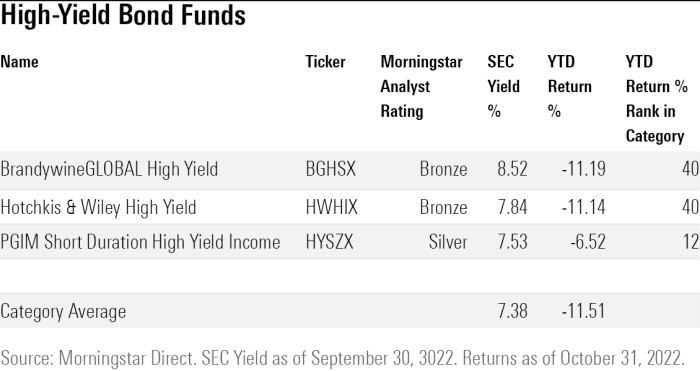
When considering investing in high yield mutual funds, there are several key factors to take into account to make informed decisions.
Historical Performance and Management Team
It is crucial to evaluate the historical performance of a high yield mutual fund to assess how it has performed in different market conditions. Look for funds with a consistent track record of delivering strong returns over time. Additionally, analyzing the expertise and experience of the fund’s management team is essential. A skilled and experienced team can navigate market challenges effectively and make strategic investment decisions.
Impact of Interest Rate Fluctuations
Interest rate fluctuations can significantly impact high yield mutual funds. When interest rates rise, bond prices tend to fall, which can lead to a decrease in the value of the fund’s holdings. On the other hand, falling interest rates can benefit high yield funds by increasing the value of their existing bond holdings. It is important to consider how interest rate movements may affect the performance of the fund before investing.
Role of Credit Quality and Default Risk
Credit quality and default risk play a crucial role in high yield investments. High yield bonds are issued by companies with lower credit ratings, making them more susceptible to default. Evaluating the credit quality of the bonds held in the fund’s portfolio is essential to understand the level of risk involved. A higher default risk can lead to potential losses for investors, so it is important to assess the creditworthiness of the bond issuers before investing in a high yield mutual fund.
Strategies for Building a High Yield Mutual Fund Portfolio
Building a high yield mutual fund portfolio requires careful planning and consideration of various factors. Diversification, market conditions, and regular monitoring are essential components in creating a successful portfolio.
Diversifying Your Portfolio
Diversification is key when constructing a high yield mutual fund portfolio. By spreading your investments across different asset classes, industries, and regions, you can reduce the overall risk in your portfolio. This can help mitigate losses during market downturns and provide more stable returns over the long term. Consider investing in a mix of high yield bond funds, dividend-focused equity funds, and real estate investment trusts (REITs) to achieve diversification.
Impact of Market Conditions
Market conditions play a significant role in the selection of high yield funds. During periods of economic uncertainty or rising interest rates, certain sectors may outperform others. It’s important to stay informed about market trends and adjust your portfolio accordingly. For example, in a low-interest-rate environment, high yield bond funds may offer more attractive returns compared to other fixed-income options.
Regular Monitoring and Rebalancing
Regular monitoring and rebalancing of your high yield mutual fund portfolio are crucial to ensure it remains aligned with your investment goals and risk tolerance. Review your portfolio periodically to assess performance, check for any changes in fund objectives, and rebalance if necessary to maintain your desired asset allocation. Keep an eye on fees and expenses as well, as these can impact your overall returns.
Understanding Mutual Funds
Mutual funds are investment vehicles that pool money from multiple investors to invest in a diversified portfolio of securities such as stocks, bonds, or other assets. These funds are managed by professional portfolio managers who make investment decisions on behalf of the investors.
Types of Mutual Funds
- Equity Funds: These funds invest primarily in stocks of companies.
- Bond Funds: These funds invest in fixed-income securities such as government or corporate bonds.
- Money Market Funds: These funds invest in low-risk, short-term securities such as Treasury bills.
- Index Funds: These funds aim to replicate the performance of a specific market index.
Benefits of Investing in Mutual Funds
- Diversification: Mutual funds offer investors a diversified portfolio, reducing risk compared to investing in individual stocks.
- Professional Management: Mutual funds are managed by experienced professionals who make investment decisions based on research and analysis.
- Liquidity: Investors can easily buy or sell mutual fund shares, providing liquidity compared to individual securities.
- Affordability: Mutual funds allow investors to access a diversified portfolio with a relatively small investment amount.
In conclusion, High Yield Mutual Funds represent a compelling avenue for investors seeking to bolster their financial standing through calculated risks and informed decisions. By grasping the intricacies of these funds and leveraging strategic insights, individuals can navigate the complex terrain of high-yield investments with confidence and foresight.
Query Resolution
What are the key benefits of High Yield Mutual Funds?
High Yield Mutual Funds offer the potential for significant returns through high dividend payouts, making them attractive for investors seeking income generation.
How do interest rate fluctuations affect High Yield Mutual Funds?
Interest rate fluctuations can impact the performance of High Yield Mutual Funds, as rising rates may lead to lower bond prices and reduced yields.
What role does credit quality play in High Yield Investments?
Credit quality is crucial in high yield investments, as lower credit ratings indicate higher default risk, potentially affecting returns.


