
Embark on your investment journey with Mutual Funds for Beginners, exploring the ins and outs of this popular investment option. From understanding what mutual funds are to tips on selecting the right fund, this guide covers it all.
Learn how to navigate the world of mutual funds and make informed decisions to grow your wealth steadily and securely.
MUTUAL FUNDS
Mutual funds are investment vehicles that pool money from multiple investors to invest in a diversified portfolio of securities such as stocks, bonds, or other assets. These funds are managed by professional fund managers who make investment decisions on behalf of the investors.
Types of Mutual Funds
- Equity Funds: These funds invest primarily in stocks of companies, offering the potential for high returns but also higher risks.
- Bond Funds: These funds invest in fixed-income securities like government or corporate bonds, providing a more stable income stream.
- Index Funds: These funds aim to replicate the performance of a specific market index, such as the S&P 500, by holding the same securities in the same proportions.
Benefits of Investing in Mutual Funds for Beginners
- Diversification: Mutual funds offer instant diversification by investing in a wide range of securities, reducing individual risk.
- Professional Management: Experienced fund managers make investment decisions, saving beginners time and effort in researching individual securities.
- Liquidity: Mutual funds are easily bought and sold, providing investors with liquidity compared to directly owning individual securities.
- Affordability: With mutual funds, beginners can access a diversified portfolio with a relatively small investment amount.
Management of Mutual Funds
Mutual funds are managed by professional fund managers who analyze market trends, conduct research, and make investment decisions to achieve the fund’s objectives. These managers are responsible for buying and selling securities within the fund, ensuring it aligns with the fund’s investment strategy and goals.
GETTING STARTED WITH MUTUAL FUNDS
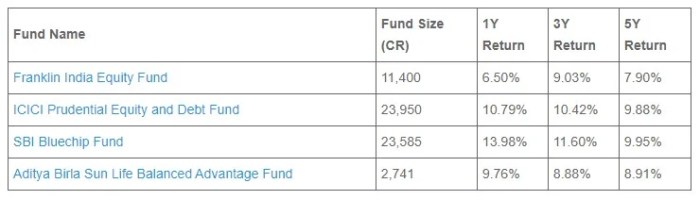
Investing in mutual funds can be a great way to grow your wealth over time. Here are some key steps to consider when getting started with mutual funds.
Minimum Investment Requirements
When starting to invest in mutual funds, it’s essential to consider the minimum investment requirements set by the fund. Some mutual funds may have a minimum initial investment amount, which can vary depending on the fund and the investment company.
Diversification in Mutual Fund Investments
Diversification is a crucial concept in mutual fund investments. By investing in a variety of assets within a mutual fund, you can spread out your risk and potentially minimize losses. This helps to protect your investment portfolio from the volatility of individual stocks or bonds.
Choosing the Right Mutual Fund
When selecting a mutual fund, it’s important to consider your risk tolerance and financial goals. Different mutual funds have varying levels of risk associated with them, so it’s essential to choose one that aligns with your investment objectives. Consider factors such as the fund’s investment strategy, past performance, fees, and the fund manager’s track record.
MUTUAL FUND FEES AND EXPENSES
Investing in mutual funds comes with various fees and expenses that can impact your overall returns. Understanding these fees is essential for beginners to make informed investment decisions.When it comes to mutual fund fees, there are several types to consider. The most common fees include the expense ratio, front-end load, and back-end load. The expense ratio represents the annual fee charged by the fund to cover operating expenses.
Front-end loads are sales charges paid when purchasing shares, while back-end loads are fees incurred when selling shares.
Actively Managed Funds vs. Passively Managed Funds
Actively managed funds typically have higher fees compared to passively managed funds. This is because actively managed funds involve a team of professionals making investment decisions to outperform the market, leading to higher management fees. On the other hand, passively managed funds aim to replicate a specific market index, resulting in lower fees since there is no active management involved.When it comes to minimizing fees as a beginner investor, there are a few strategies to consider.
Firstly, opt for no-load funds that do not charge sales commissions, avoiding front-end or back-end loads. Secondly, look for funds with low expense ratios to reduce the impact of fees on your returns. Lastly, consider investing in index funds or ETFs, which typically have lower fees compared to actively managed funds.
MONITORING AND REVIEWING MUTUAL FUND INVESTMENTS
Monitoring and reviewing your mutual fund investments is crucial to ensure they align with your financial goals and risk tolerance. By keeping a close eye on the performance of your investments, you can make informed decisions and take necessary actions to optimize your portfolio.
Rebalancing Your Portfolio
Rebalancing a mutual fund portfolio may be necessary when the asset allocation deviates significantly from your original investment strategy. This can happen due to market fluctuations or changes in your financial goals. By rebalancing, you can realign your investments to maintain the desired risk level and maximize returns.
- Assess your current asset allocation and compare it to your target allocation.
- Determine which assets have deviated from the target and need adjustment.
- Sell overperforming assets and buy underperforming assets to bring the portfolio back to balance.
- Regularly review and rebalance your portfolio at least once a year or when major life events occur.
Importance of Reviewing Fund Documents
Reviewing the mutual fund’s prospectus and annual reports is essential to understand the fund’s investment objectives, strategies, risks, and performance. These documents provide valuable insights that can help you make informed decisions about your investments.
- Study the fund’s prospectus to understand its investment goals, management team, fees, and historical performance.
- Review the annual reports to assess the fund’s performance, holdings, expenses, and any changes in strategy.
- Stay informed about any updates or changes in the fund’s management or investment approach.
Tools for Tracking Investments
There are various tools and resources available to help you track and monitor your mutual fund investments effectively.
- Online investment platforms that provide real-time portfolio tracking and performance analysis.
- Investment apps with features for monitoring multiple funds, setting alerts, and comparing fund performance.
- Financial websites offering tools for tracking fund prices, historical performance, and benchmark comparisons.
- Portfolio management software that allows you to consolidate all your investments and track their performance in one place.
In conclusion, Mutual Funds for Beginners offers a solid foundation for those looking to dip their toes into the world of investing. With the right knowledge and strategies, you can set yourself on a path towards financial success.
FAQ Section
What are the benefits of investing in mutual funds?
Investing in mutual funds allows beginners to access a diversified portfolio managed by professionals, making it a convenient and relatively low-risk investment option.
How can beginners minimize fees when investing in mutual funds?
Beginners can minimize fees by opting for low-cost index funds, avoiding funds with high expense ratios or front-end loads, and regularly reviewing and adjusting their investment strategy.
When should a beginner consider rebalancing their mutual fund portfolio?
Beginners should consider rebalancing their portfolio when their investment goals or risk tolerance change significantly, or when certain assets in the portfolio deviate significantly from their target allocation.